

Why Some Patients Need More Than Just an Implant
Been told you’re not a candidate for dental implants? We can change that. Dr. Jay Stockdale rebuilds the jaw foundation patients need—so dental implants can finally be an option.
Dental implants are anchored directly into your jawbone, which means the bone has to be there, strong enough, and dense enough to hold them. If you’ve been missing teeth for a year or more, or if gum disease, tooth decay, or an injury caused bone loss, you may not yet have the foundation a successful implant requires.
That’s where supplemental procedures—specifically bone grafting and sinus lift surgery—come in. At Renaissance Dental Care near you in Rancho Cucamonga, CA, Dr. Stockdale performs both procedures in-house to rebuild that foundation and restore your candidacy for dental implants. These aren’t obstacles. They’re the bridge between where you are now and the permanent, confident smile you’re after.
Call our Rancho Cucamonga office at (909) 297-1921 to schedule your consultation. We welcome patients throughout Rancho Cucamonga, Upland, Ontario, Fontana, and the greater Inland Empire.
Supplemental Procedures for Dental Implants Stats
Did you know? A 2026 clinical study analyzing over 158,000 implants found that implants placed with simultaneous bone grafting achieved a 97.83% success rate — statistically comparable to standard implants. Grafting doesn’t compromise outcomes; it enables them.
- 97.8% success rate for implants placed with bone grafting (2026 clinical data)
- 3–6 months is the typical bone graft healing time before implant placement
- 5M+ Dental implants placed in the U.S. annually—a number growing each year
- In-House: All supplemental procedures performed by Dr. Stockdale—no referrals needed
Why Tooth Loss Leads to Bone Loss And What That Means for Implants
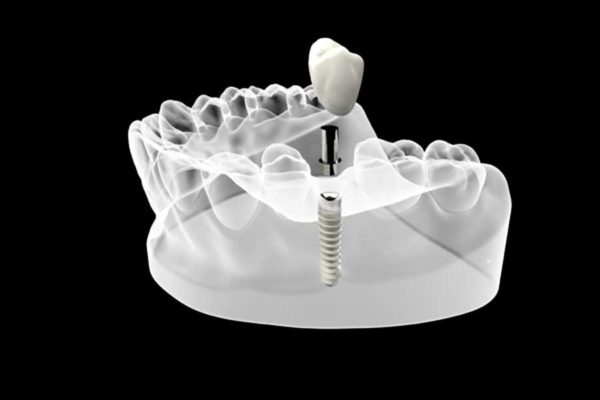
Your tooth roots do more than anchor your teeth—they constantly stimulate the jawbone, signaling the body to keep producing new bone tissue through a process called osseointegration-level remodeling. The moment a tooth is lost, that stimulation stops. Within the first year of tooth loss, the jawbone in that area can shrink by as much as 25% in width. Over time, this bone resorption continues, gradually changing the shape of the jaw, the fit of the bite, and the structural support available for future implants.
This is why timing matters—and why many patients who waited, or who lost teeth due to periodontal disease, gum disease, or injury, find themselves needing supplemental procedures before implant placement.
Common reasons patients in Rancho Cucamonga need bone grafting or a sinus lift include:
- Long-term tooth loss without a replacement
- History of untreated gum disease or advanced periodontal conditions
- Bone loss from dental plaque, infection, or abscess
- Naturally thin jawbone in the upper molar region (near the maxilla and sinus cavity)
- Injury or trauma that affected the mandible or upper jaw
- Previous tooth extractions without socket preservation
During your consultation, Dr. Stockdale will take detailed CBCT 3D imaging of your jaw to assess bone density, volume, and the exact location of your sinuses relative to the implant sites. This precision imaging removes all guesswork and gives him the data to plan your supplemental procedure with accuracy.
Bone Grafting and Sinus Lift: What Each Procedure Does
The supplemental procedure you’ll need depends on where the missing tooth was located and how much bone has been lost. Dr. Stockdale will recommend one or both based on your 3D imaging results. Both are performed with local anesthetic, and sedation dentistry options are available if you prefer a more relaxed experience
Bone Grafting for Dental Implants
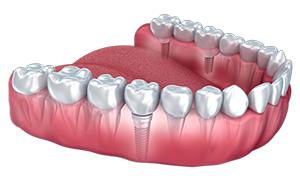
Bone grafting is the process of adding bone or bone-like material to an area of the lower or upper jaw where density or volume has been lost. The graft material acts as a biological scaffold—your body’s osteoblasts (bone-forming cells) migrate into it, deposit new calcium-rich tissue, and gradually replace the scaffold with living bone through a process called bone healing and regeneration.
Dr. Stockdale places the grafting material precisely at the implant site, then covers it with a protective membrane that keeps soft tissue from growing into the space while new bone forms. Over the following months, the graft integrates fully with your natural jawbone, increasing the density and volume needed for a secure implant.
Most patients report minimal discomfort during and after the procedure. Any swelling or bleeding typically resolves within a few days, and Dr. Stockdale’s team will provide detailed post-operative guidance and, when appropriate, a course of antibiotics to support clean healing.
Sinus Lift Surgery for Upper Jaw Implants
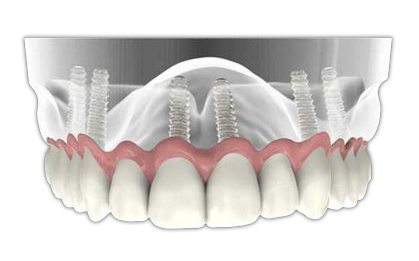
The back of the upper jaw presents a specific challenge: it sits directly beneath the maxillary sinuses—the air-filled spaces behind your cheekbones. When upper molar teeth are lost, the sinus cavity can expand downward into the space left by the missing roots, leaving very little bone height between the sinus floor and the gum tissue.
A sinus lift (also called a sinus augmentation) solves this by gently lifting the sinus membrane upward and packing bone graft material into the created space beneath it. As the body incorporates the graft over the following months, new bone fills in, raising the floor of the maxilla and creating the height needed to anchor an implant without perforating the sinus cavity.
Because all sinus lifts are performed in-office here in Rancho Cucamonga—no specialist referrals, no travel—Dr. Stockdale monitors every stage of your healing and controls the timing of your implant placement for the best possible outcome.
Types of Bone Graft Material
One of the most common questions patients ask is, “Where does the bone come from?” The answer depends on your clinical situation. There are four main categories of grafting material used in modern dental bone grafting, and each has specific advantages.
Autograft
Bone taken from your own body (often the chin or jaw). Considered the gold standard because it contains living cells and provides osteogenic, osteoconductive, and osteoinductive properties in a single material. Best for complex augmentation needs.
Allograft
Processed donor bone from a human tissue bank, sterilized to remove all cellular material. Reliable and widely used, particularly for socket preservation and ridge augmentation. Eliminates the need for a secondary harvest site.
Xenograft
Derived from animal sources (typically bovine), processed into a porous hydroxyapatite structure that closely mirrors human bone. Xenografts are the most widely used graft type globally, with strong clinical data supporting their role in osseointegration and bone growth.
Synthetic/Alloplast
Biocompatible engineered materials—including calcium phosphate ceramics and bioactive glass—serve as an osteoconductive scaffold. Synthetic grafts carry no disease transmission risk and are ideal for patients with restrictions on animal-derived materials.
Dr. Stockdale selects the appropriate graft biomaterial based on your specific anatomy, the size of the defect, and your overall oral health. He’ll walk you through the recommendation during your consultation—no surprises, no pressure.
Recovery Timeline: From Bone Graft to Dental Implant Placement
One of the most searched questions about this process is simply, “How long will this take?” Here’s an honest, detailed answer. Timelines vary based on the extent of grafting needed, the location, and how quickly your body heals—but here’s what most patients experience:
Week 1: Consultation and CBCT Imaging
Dr. Stockdale takes high-resolution 3D cone-beam CT scans of your jaw, assesses bone volume and density, reviews your medical history and current medications, and determines which supplemental procedure you need and whether it can be combined with implant placement or must be staged separately.
Week 2–4: Bone Graft or Sinus Lift Procedure
The procedure itself is completed in-office under local anesthetic, typically in 45–90 minutes. You’ll return home the same day. Expect mild swelling and sensitivity for 3 to 7 days. Most patients take 1 to 2 days off work.
Months 1–6: Active Bone Healing and Integration
This is the most critical phase. Your body’s osteoblasts are actively forming new bone tissue within the graft scaffold. For a standard bone graft, integration typically takes 3 to 4 months. For a sinus lift, it ranges from 4 to 9 months, depending on the volume of graft material placed.
After Healing Is Confirmed: Implant Placement
Dr. Stockdale uses follow-up imaging to confirm that the bone has reached sufficient density before scheduling implant placement. This step isn’t rushed — placing an implant too early undermines the whole process. When he gives the green light, you’re ready.
Months 3–6 Post-Implant: Osseointegration and Final Restoration
The implant post bonds with your newly rebuilt jawbone through osseointegration. Once complete, your final crown, bridge, or implant-supported restoration is attached—giving you a permanent tooth replacement with the look, feel, and function of a natural tooth.
Why Rancho Cucamonga Patients Choose Renaissance Dental Care for Supplemental Procedures
You have options for bone grafting and sinus lift procedures near you in the Inland Empire. Here’s what sets our practice apart—and why patients from Riverside, San Bernardino, Ontario, and Diamond Bar make the drive to our Rancho Cucamonga office.
Everything In-House
No specialist referrals. Dr. Stockdale performs your consultation, bone graft or sinus lift, implant placement, and final restoration—all in one location. Continuity of care matters for healing outcomes.
CBCT 3D Imaging for Precision Planning
We use cone beam CT scanning to map your jaw’s exact bone volume, density, and sinus anatomy before recommending any procedure. You’ll know precisely what’s needed and why before we start.
Proven Graft Materials
Dr. Stockdale uses clinically validated biomaterials with strong long-term data selected specifically for your anatomy and grafting goals. No one-size-fits-all approach to something this important.
Monitored Healing at Every Stage
We schedule follow-up imaging checkpoints throughout your healing timeline so we’re not guessing when you’re ready for implant placement; we’re confirming it with data.
Sedation Available
Anxious about the procedure? Our sedation dentistry options let you relax through the entire appointment. Most patients are surprised by how comfortable the experience actually is.
5-Star Patient Outcomes
Dr. Stockdale’s patients consistently rate their care 5/5 on Google. We’re proud of those reviews—and we work to earn them at every appointment, not just the final one.
How Dr. Stockdale Determines If You Need a Supplemental Procedure
Not every patient who wants dental implants near you in Rancho Cucamonga will need supplemental procedures—but many do, and most don’t find out until their first imaging appointment. Dr. Stockdale evaluates the following factors to determine your dental implant candidacy and whether a graft or sinus lift is part of your treatment plan:
- Duration of tooth loss: longer gaps mean more bone resorption
- The presence of gum disease (periodontal disease) must be treated before grafting
- Systemic health factors, conditions such as diabetes, osteoporosis, or certain medications that affect bone density and healing
- Smoking history: nicotine significantly impairs bone healing and graft integration
- Sinus anatomy, critical for upper jaw implants near the maxillary sinuses
- Oral hygiene status: good hygiene supports better healing outcomes
If any of these factors apply to you, that doesn’t automatically disqualify you; it just means your treatment plan includes an additional step. Dr. Stockdale will walk you through exactly what’s recommended, what to expect, and how long the full process will take. No unanswered questions, no vague timelines.
Important note: Patients who are currently experiencing active gum disease, significant dental plaque buildup, or untreated tooth decay will need to address those conditions before supplemental procedures can begin. A healthy oral environment is essential for successful bone healing and long-term implant success.
Frequently Asked Questions
How do I know if I need bone grafting before dental implants near me in Rancho Cucamonga?
The only way to know for certain is through a clinical exam and CBCT 3D imaging of your jaw. That said, you’re more likely to need bone grafting if you’ve been missing teeth for more than 12 months, have a history of periodontal disease or gum disease, have had teeth extracted without socket preservation, or were previously told you’re “not a candidate” for implants.
During your consultation at our Rancho Cucamonga dental office, Dr. Stockdale will review your imaging, examine your oral health, and give you a clear answer—along with a full treatment plan and timeline if a supplemental procedure is needed.
Are bone grafting and sinus lift procedures painful?
Most patients are surprised by how manageable these procedures are. Both are performed under local anesthesia, and sedation options are available if you have dental anxiety. During the procedure itself, you should feel pressure but not sharp pain.
After the anesthetic wears off, some soreness and mild swelling are normal for 3–5 days. Dr. Stockdale’s team provides complete post-operative care instructions and will prescribe appropriate pain management and antibiotics to support clean healing. Serious complications like infection or graft rejection are rare with modern techniques and materials.
How long does bone graft healing take before I can get implants?
It depends on the procedure and your individual biology:
- Bone graft (lower or upper jaw): Typically, 3–4 months for the graft to integrate and for bone density to reach implant-ready levels.
- Sinus lift: Usually 4–9 months, depending on how much bone volume was added. Larger sinus lifts require more time for full integration before implant placement.
Dr. Stockdale uses follow-up CBCT imaging to confirm bone quality—he won’t proceed to implant placement until the imaging confirms you’re ready. This is not a step you want to rush.
Does dental insurance cover bone grafting or sinus lift procedures in Rancho Cucamonga?
Many dental insurance plans offer partial coverage for bone grafting and sinus lift procedures, particularly when they are documented as medically necessary steps in a dental implant treatment plan. Coverage varies significantly by plan — some cover 50–80% of the procedure cost, while others may categorize it differently.
We recommend calling your insurance provider before your consultation and asking specifically about coverage for “bone augmentation” and “sinus augmentation” procedures. Our team at Renaissance Dental Care is also happy to help you navigate your benefits and will review your plan before treatment begins. Flexible financing options are available for any remaining balance.
Can I get a bone graft and dental implant placed at the same time?
In some cases, yes — this is called simultaneous grafting and implant placement, and it’s appropriate when there is enough bone present to achieve initial implant stability while the graft integrates around it. Dr. Stockdale evaluates this on a case-by-case basis using 3D imaging.
In situations where bone volume is too low to support even initial implant stability, a staged approach is recommended: complete the graft first, allow full healing, then place the implant into a strong foundation. Your 3D imaging results will determine which approach is right for you.
What is socket preservation, and should I have done it when my tooth was extracted?
Socket preservation is a bone grafting procedure performed immediately after tooth extraction, before the extraction site closes. Grafting material is placed directly into the empty socket to prevent the natural bone resorption that occurs after tooth loss. Patients who had socket preservation at extraction often need little to no additional grafting before implant placement.
If socket preservation was not performed when your tooth was extracted — which is common, especially in older extractions — you may have experienced significant bone loss in that area since then. This is one of the most common reasons patients near you in Rancho Cucamonga come to Renaissance Dental Care after being told elsewhere that implants aren’t possible. We can often change that.
I was told I'm not a candidate for dental implants. Can you still help me in Rancho Cucamonga?
Very possibly, yes. “Not a candidate” often means “not yet a candidate” — the bone isn’t currently sufficient, but it can be rebuilt. This is exactly what supplemental procedures are designed to address. Dr. Stockdale has helped many patients who were turned away elsewhere become strong implant candidates through bone grafting, sinus lift surgery, or a combination of both.
The best way to find out is to schedule a consultation at our office in Rancho Cucamonga. Dr. Stockdale will review your situation with fresh imaging and give you an honest assessment of what’s possible—including a realistic timeline and a complete treatment plan with costs. There’s no obligation and no guesswork.
Bone Grafting for Dental Implants
Looking for a bone grafting dentist near you or a sinus lift specialist near Rancho Cucamonga? Call us at (909) 297-1921 to schedule a consultation with Dr. Stockdale at our Rancho Cucamonga dental office. We’ll review your 3D imaging, explain your options, and give you a complete treatment plan—with no pressure and no unanswered questions.
Renaissance Dental Care is conveniently located at 9080 Milliken Ave, Suite 100, in Rancho Cucamonga, CA 91730—easily accessible for patients across the Inland Empire looking for a dental implant dentist near them who also performs supplemental procedures in-house. We serve patients from Rancho Cucamonga, Ontario, Riverside, San Bernardino, Diamond Bar, Fontana, Upland, Chino, Chino Hills, Claremont, CA, and many more.